Why Soft Fabrics Matter More Than Style in Baby Clothing
When shopping for baby clothes, many parents and gift buyers naturally focus on style first. Cute prints, trendy colors, matching sets, and Instagram-worthy outfits often grab the most attention.
But when it comes to a baby’s comfort, health, and daily well-being, one factor matters far more than appearance:
Fabric softness.
A baby’s skin is far more delicate and sensitive than adult skin. Rough textures, low-quality materials, and non-breathable fabrics can cause discomfort, irritation, overheating, and even skin reactions.
That’s why experienced parents often prioritize soft, breathable fabrics over fashionable designs.
In this guide, we’ll explore why soft fabrics are essential in baby clothing, which materials are best, what fabrics to avoid, and how choosing comfort-first clothing benefits both babies and parents.
Why Baby Skin Needs Extra Care
Newborn skin is extremely delicate.
In fact, a baby’s skin is thinner and more sensitive than adult skin, making it more vulnerable to:
- Irritation
- Heat rashes
- Dryness
- Allergies
- Friction discomfort
Babies also spend most of their time sleeping, swaddled, feeding, or lying against fabrics.
That means their clothing directly affects their comfort throughout the day.
Soft fabrics help protect sensitive skin while improving comfort and breathability.
Comfort Matters More Than Fashion for Babies
Adults may tolerate uncomfortable clothing for style, but babies cannot.
Babies need clothing that supports:
- Comfortable movement
- Temperature regulation
- Safe sleep
- Breathability
- Gentle skin contact
A stylish outfit may look adorable for photos, but if the fabric feels rough or traps heat, it quickly becomes impractical.
Comfort should always come first.
Why Soft Fabrics Are Important in Baby Clothing
1. Soft Fabrics Reduce Skin Irritation
Babies frequently experience skin sensitivity.
Rough fabrics can cause:
- Redness
- Chafing
- Itching
- Irritated folds around the neck and arms
Soft materials reduce friction against delicate skin.
This is especially important for newborns who wear clothing almost 24/7.
2. Breathable Fabrics Help Prevent Overheating
Babies cannot regulate body temperature as efficiently as adults.
Non-breathable fabrics may trap heat and moisture.
This can lead to:
- Sweating
- Heat rash
- Discomfort
- Disturbed sleep
Soft breathable fabrics allow airflow and help maintain comfort.
3. Babies Sleep Better in Comfortable Clothing
Sleep quality matters for infant development.
Soft sleepwear and bodysuits create a calmer sleep environment.
Comfortable fabrics help babies:
- Stay relaxed
- Avoid overheating
- Move naturally
- Sleep longer
Parents quickly notice the difference between soft and stiff fabrics during nighttime routines.
4. Soft Clothing Supports Daily Movement
Babies constantly stretch, kick, roll, and wiggle.
Soft fabrics with flexibility support natural movement without restriction.
This is especially important during:
- Tummy time
- Crawling stages
- Sleep
- Feeding
Comfortable movement contributes to better daily development.
Best Fabrics for Baby Clothing
Not all baby fabrics are equal.
Some materials are significantly safer and more comfortable for babies.
Organic Cotton
Organic cotton is widely considered one of the best fabrics for baby clothing.
Benefits include:
- Ultra-soft texture
- Breathability
- Gentle on sensitive skin
- Reduced chemical exposure
- Comfortable year-round wear
Organic cotton bodysuits, sleepers, and swaddles are highly preferred by modern parents.
Bamboo Fabric
Bamboo baby clothing has become increasingly popular.
Why?
Because bamboo fabric offers:
- Exceptional softness
- Moisture absorption
- Temperature regulation
- Lightweight comfort
It works especially well in warmer climates.
Muslin Cotton
Muslin is known for its breathable weave and softness.
It’s commonly used for:
- Swaddles
- Blankets
- Lightweight baby outfits
Muslin becomes softer after repeated washing.
Modal Fabric
Modal is another soft fabric option used in premium baby clothing.
It is:
- Smooth
- Stretchable
- Lightweight
- Comfortable for daily wear
Fabrics Parents Should Avoid
Certain fabrics may look stylish but are less ideal for babies.
Heavy Synthetic Materials
Some synthetic fabrics trap heat and reduce airflow.
This may cause discomfort and sweating.
Rough Textures
Decorative fabrics with rough stitching or embellishments can irritate skin.
Low-Quality Polyester Blends
Cheap synthetic blends may feel stiff and uncomfortable after washing.
Comfort should always outweigh appearance.
Why Modern Parents Prefer Comfort-First Baby Clothing
Parenting trends have shifted significantly in recent years.
Today’s parents prioritize:
- Fabric quality
- Safety
- Breathability
- Sustainability
- Everyday practicality
That’s why minimalist and comfort-focused baby clothing has become more popular than overly decorative outfits.
Parents now prefer clothing that babies can comfortably wear for hours—not just clothing that looks cute in photos.
The Rise of Organic and Sustainable Baby Clothing
Modern families are becoming more conscious about baby products.
This includes choosing:
- Organic cotton clothing
- Chemical-free fabrics
- Eco-friendly baby essentials
- Sustainable baby brands
Soft natural fabrics align with these priorities.
Parents increasingly value products that are gentle on both babies and the environment.
Why Soft Fabrics Matter for Baby Sleepwear
Sleepwear deserves extra attention.
Babies spend many hours sleeping, making fabric quality extremely important.
Soft sleepwear helps:
- Reduce overheating
- Prevent discomfort
- Improve nighttime sleep quality
- Support safer sleep environments
Look for:
- Breathable cotton sleepers
- Tag-free clothing
- Stretchable fabrics
- Lightweight layering options
Comfortable sleepwear can improve bedtime routines for both babies and parents.
Soft Fabrics Also Help Parents
Comfortable baby clothing benefits parents too.
Why?
Because soft, high-quality fabrics are often:
- Easier to wash
- More durable
- Better at maintaining softness
- Less likely to irritate babies
When babies stay comfortable, parents deal with fewer clothing-related issues.
That means:
- Better sleep
- Fewer outfit changes
- Happier routines
Why Baby Gift Buyers Should Prioritize Fabric Quality
When buying baby gifts, many people focus mainly on appearance.
But parents usually appreciate comfort-focused gifts more.
Practical baby gifts include:
- Organic cotton bodysuits
- Soft blankets
- Breathable sleepwear
- Comfortable swaddles
These items provide real daily value.
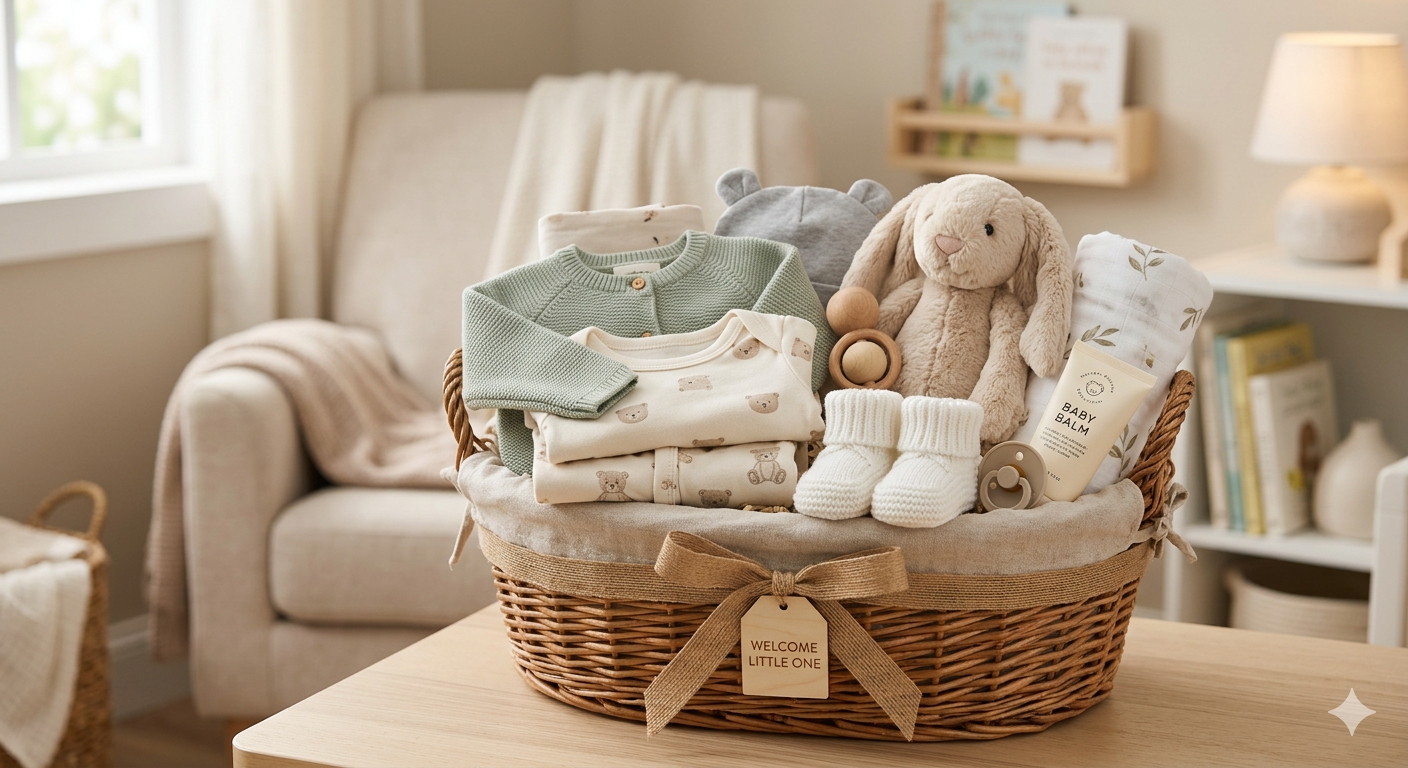
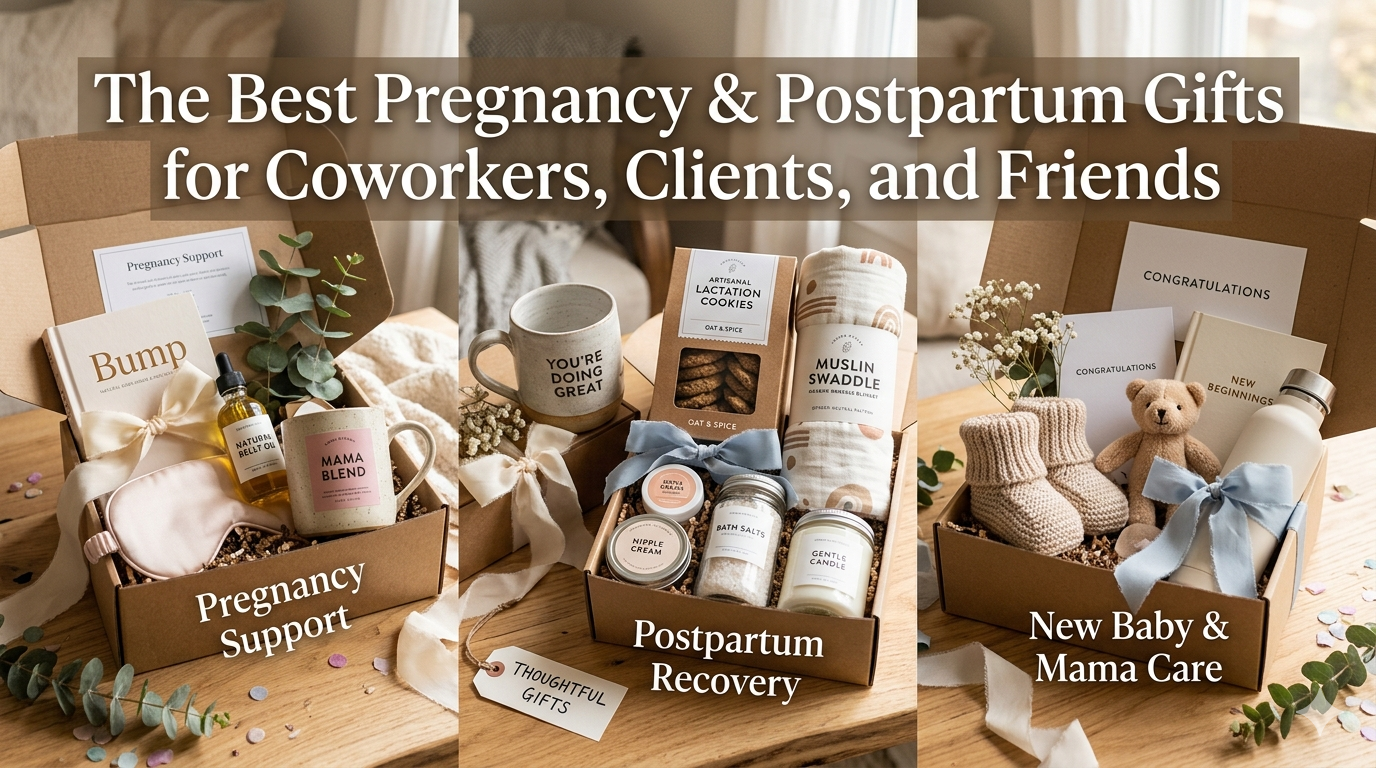
Brands like Cotton Craft focus on combining softness, practicality, and modern aesthetics through thoughtfully curated baby essentials, including luxe gift sets, tiny trendy outfits, blankets, crib sheets, and mama-and-baby bundles designed for both comfort and style.
How to Check if Baby Clothing Fabric Is Truly Soft
Before buying baby clothes, check:
Fabric Label
Look for:
- 100% cotton
- Organic cotton
- Bamboo viscose
- Muslin cotton
Stitching Quality
Flat seams reduce irritation.
Stretchability
Soft stretch improves comfort.
Breathability
Lightweight fabrics improve airflow.
Washing Performance
Good fabrics stay soft after repeated washing.
Why Style Should Still Matter — But Second
Style is not unimportant.
Parents still enjoy adorable outfits and coordinated baby looks.
But style should complement comfort—not replace it.
The best baby clothing combines:
- Soft fabric
- Functional design
- Practical fit
- Modern aesthetics
That balance creates clothing parents actually use regularly.
Final Thoughts
When it comes to baby clothing, softness matters far more than fashion alone.
Babies need comfort, breathability, and gentle fabrics to support healthy skin, better sleep, and comfortable daily movement.
While trendy outfits may look appealing, soft high-quality fabrics provide long-term value for both babies and parents.
That’s why modern parents increasingly choose organic cotton, muslin, and bamboo fabrics over stiff or overly decorative clothing.
The best baby clothes are not just stylish—they are safe, breathable, practical, and incredibly soft.
Because for babies, comfort always comes first.